
How to Touch Nature? A Comparative Analysis of Chinese Taoism and Western Ecofeminism
About Yimou Huang’s Research:
Huang’s research is a research-based art project that combines Taoist philosophy and Western ecofeminism to explore the relationship between humans and nature. Through sculpture, ceramics, and installation, the work investigates the Taoist concept of emptiness as a generative force and examines the transformation of natural energy. Using materials such as clay, plants, stones, and mycelium, Huang documents the effects of water, wind, and soil on matter through site-specific experiments, including those conducted at Loch Lomond in Scotland. The project also draws on ecofeminist ideas of ecological equality and critiques anthropocentrism by highlighting often-overlooked non-human life forms and their interconnected roles within ecosystems. By bringing together Eastern and Western ecological perspectives, the work reflects on coexistence, interdependence, and cycles of transformation, encouraging audiences to reconsider humanity’s place within nature through a lens of respect, balance, and shared existence.
About Yimou Huang:
Yimou Huang’s practice-based PhD from Dundee University explores the divergent influences of Chinese Taoism and Western Eco-Feminist thought on contemporary global art. It centers on the material aspects of dynamic forces, such as gravity, wind, and erosion. Yimou is particularly interested in transformational processes and their relation to traditional Chinese views on matter (stone, clay, wood, etc.), the Taoist notion of emptiness and action-through- inaction, and Eco-Feminist approaches to process, duration, materiality and action.
My research project explores how artistic practice can reveal the relationships between humans, natural forces, and more-than-human life. Through three interconnected projects—Sensing the Materiality of Water(Sediments), Wandering Air, and Whispers of Ashes—I investigate water, air, and ash as active material processes rather than passive substances. Drawing on Taoist philosophy, ecofeminism, new materialism, and practice-based research, the project asks how art can make invisible ecological forces perceptible and how natural processes can become co-creators within artistic practice.
Project 1: Sensing the Materiality of Water
(Water as Flow, Becoming, and Ecological Connectivity)
This project explores water as a dynamic material force operating across microscopic, bodily, and geological scales. Rather than treating water only as a resource or environmental risk, the project considers it as an active participant in shaping bodies, landscapes, and ecosystems. Through deep mapping, a/r/tography, field research along Scottish waterways, microscopic observation of plant cells, and ceramic installation, I examine how water moves through living systems and geological formations. The project draws on Taoist understandings of water as a model of humility, adaptability, and non-hierarchical existence, while also engaging contemporary theories of relational materiality. Water becomes a connector between human bodies, plant life, rocks, rivers, rain, and soil. In the ceramic works, microscopic cellular structures and rock textures shaped by erosion are translated into tactile and sculptural forms. Artistic practice therefore becomes a way to make water’s invisible movements visible and to invite viewers to sense water as flow, becoming, and ecological connection.


Fig.1 2, Work Sediments, Credit: Yimou Huang

Fig.3, Work Flowing Materiality, Credit: Yimou Huang.

Fig.4, Work Flowing Materiality, Credit: Yimou Huang.

Fig.4, Scottish Coast, Credit: Yimou Huang.

Fig.5 Bank of Yangtze River, Credit: Yimou Huang.
Project 2: Wandering Air
(Breath, Qi, and Multispecies Coexistence)
This project investigates air and breath as relational and ecological phenomena through the intersection of Taoist cosmology and ecofeminist thought. In Taoism, Qi is understood as the vital breath or energy that moves through all things, while ecofeminism emphasizes care, interdependence, and the rejection of human-centred domination over nature. Bringing these ideas together, the project explores air not as empty space, but as a shared field of life, exchange, and transformation. Using balloons, clay, environmental exposure, and natural processes such as wind, rain, freezing, and biological interaction, the work visualises the invisible movement of breath and atmosphere. The forms are shaped not only by my own actions, but also by weather, temperature, moisture, and non-human encounters. In this way, the project challenges the idea of the artist as sole author and instead presents art-making as a collaborative process between human breath, material agency, and environmental forces. Breath becomes both a metaphor and a material expression of multispecies coexistence.
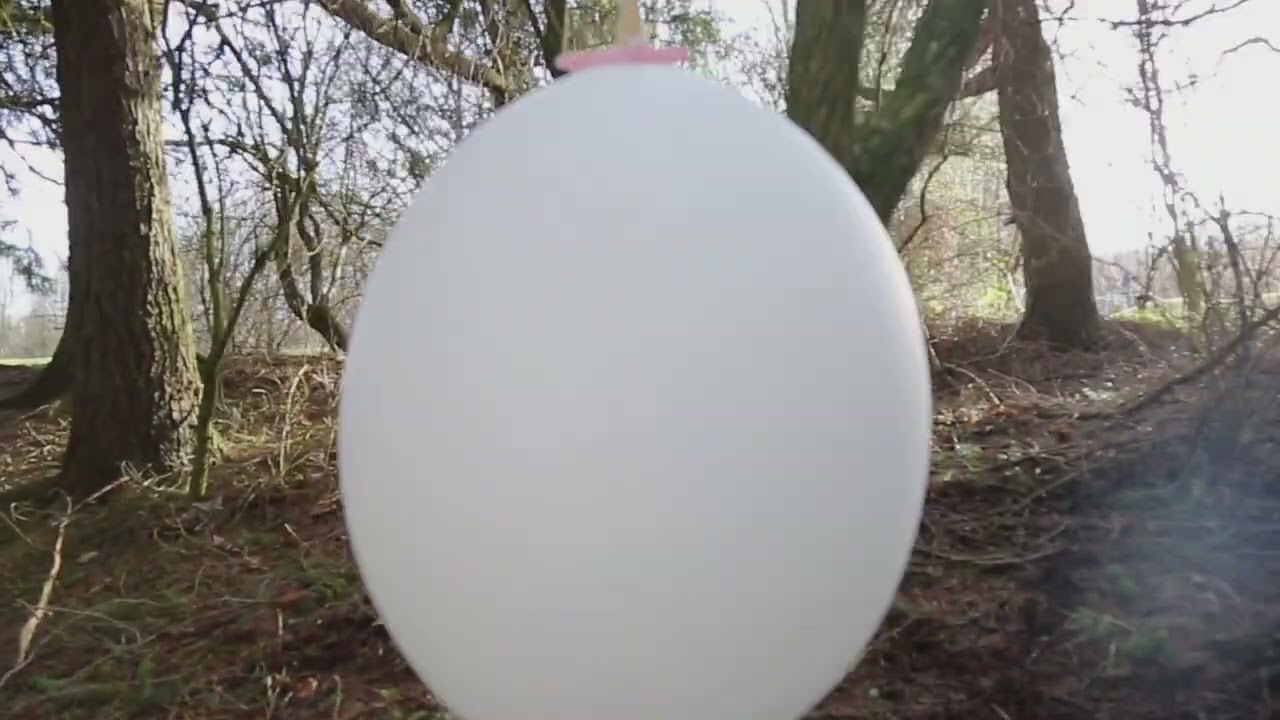
 Fig.6, Work Sediments , Credit: Yimou Huang.

Fig.7 Work Sediments, Credit: Yimou Huang.
Project 3: Whispers of Ashes
(Transformation, Temporality, and Material Memory)
This project examines ash as a material of transformation, temporality, and memory. Ash is often understood as residue, waste, or the end of material existence, but this project approaches it as a generative substance that carries traces of plants, fire, soil, and time. Through collecting, burning, ceramic kiln-making, and ash glaze experiments, I explore how matter records ecological histories and participates in cycles of generation, decay, and renewal. The project is informed by Taoist concepts such as Wu Xing, Wuwei, and continuous transformation. Within this framework, ash is not an ending but a transitional state: wood passes through fire, becomes ash, and returns to earth as mineral matter. Accidents such as cracks, collapse, and unpredictable glaze effects are treated as part of the work rather than failures. They reveal the autonomy of materials and the impossibility of total human control. Together with the water and air projects, Whispers of Ashes contributes to a wider investigation into material agency, ecological transformation, and the possibility of rethinking humanity’s place within nature.
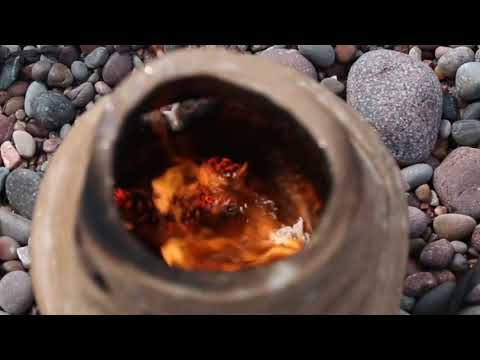


Fig.8 9, Work Whispers of Ashes, Credit: Yimou Huang
 Fig.10, Ashes under Microscopes, Credit: Yimou Huang

Fig.11, Ashes of Wood, Credit: Yimou Huang
In Conclusion, this researching project aims to reimagine Human–Nature Relationships through Taoist Philosophy, Eco-feminism, and Ecological Art Practice. Through sculpture, ceramics, installation, fieldwork, and site-responsive experimentation, the research examines how natural forces co-create artistic forms and challenge anthropocentric models of knowledge and production.

CONNECT WITH Yimou Huang